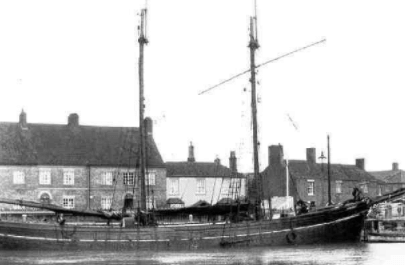
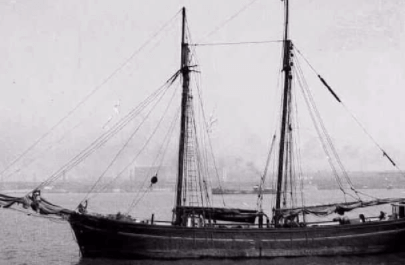
Furness Sailing Ships
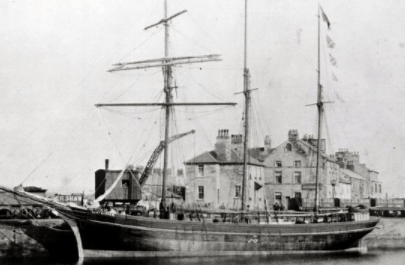
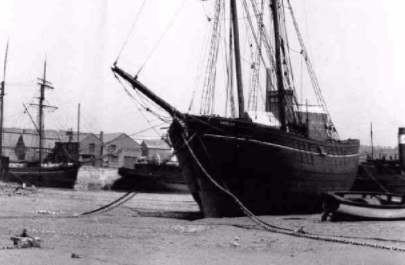
Cumberland wrecks, 1886
Wrecks - Loss of Many Lives
On Thursday night a violent gale raged on the Cumberland coast, and casualties are reported from various points. In response to signals, the Whitehaven lifeboat put off to assist a foreign barque in distress near Workington, but capsized before reaching her. One man, James Henney, who leaves a widow and three children, was drowned. Another of the crew was injured. The barque was the Cygnus, Captain Neilson, from Galveston, bound for Maryport, with oil cake, &c. The schooner, John, of Runcorn, was driven ashore near St.Bees, but the crew were saved.
On Thursday night, the schooner Swallow, belonging to Messrs. Carr and Co., biscuit manufacturers, of Carlisle, was wrecked upon the Pilling Sands during a storm. All her crew were drowned. One man was found lashed to the rigging, and another body was picked up on the sands. - The Pearl, of Liverpool, was also wrecked on the Pilling Sands, her sails having been all blown away. The crew stuck to their craft, and when the tide receded they were able to get ashore.
On Friday morning, the French barque Rene, bound from Cardiff to Seville, went ashore on the Gower coast, about ten miles west of Swansea. A fierce gale from the north-west was prevailing at the time. The captain, two men, and a boy were drowned, but the remaining five members of the crew managed to get ashore, though much injured by being thrown on the rocks.
Furness Sailing Ships